
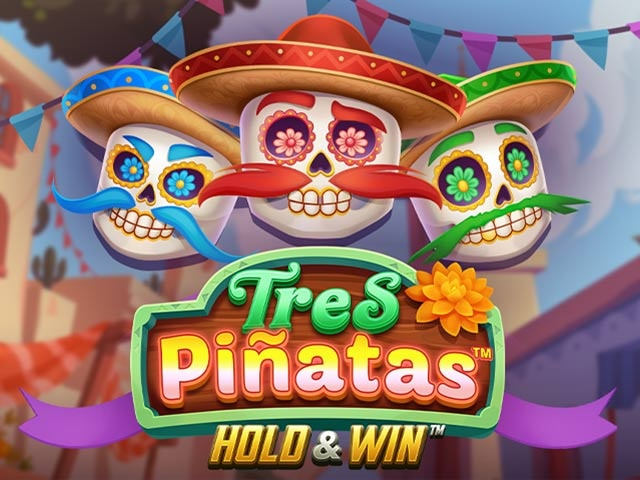
Introduction
The Return to Player (RTP) percentage is a critical factor in the world of online gaming, particularly in slot machines. It represents the theoretical percentage of wagered money that a game will return to players over time. In the context of the online slot game “Tres Pinatas slot Pinatas,” the RTP range falls between 86.29% and 96.26%. This report aims to explore how this RTP range works, its implications for players, and the factors influencing these percentages.
What is RTP?
RTP, or Return to Player, is a statistical measure that indicates the expected return a player can anticipate from their wagers over an extended period. For instance, an RTP of 96% implies that for every $100 wagered, the player can expect to receive $96 back in winnings, while the remaining $4 is the house edge. RTP is calculated over a large number of spins and does not guarantee individual outcomes in the short term.
The RTP Range in Tres Pinatas
“Tres Pinatas” features an RTP range from 86.29% to 96.26%, which is relatively broad for a slot game. This range indicates that the game can be configured to offer different RTP settings, which can significantly affect the overall gaming experience. The lower end of the range (86.29%) suggests a higher house edge, while the upper end (96.26%) offers a more player-friendly return.
1. Lower RTP Setting (86.29%)
When the RTP is set at 86.29%, players may find that their chances of winning are diminished. This setting is typically used in promotional environments or specific markets where casinos may need to generate more revenue. Players should be cautious when engaging with games at this RTP level, as the likelihood of recouping their wagers decreases.
2. Higher RTP Setting (96.26%)
Conversely, the higher RTP setting of 96.26% offers players a significantly better chance of winning. This setting is more appealing to players, as it aligns with the average RTP for many online slots. Players can expect more frequent payouts and potentially larger wins, making the gaming experience more enjoyable and rewarding.
Factors Influencing RTP
Several factors can influence the RTP settings in “Tres Pinatas,” including game design, volatility, and player demand.
1. Game Design
The design of “Tres Pinatas,” including its themes, graphics, and mechanics, plays a crucial role in determining its RTP. Developers may choose to adjust the RTP based on how they want the game to perform in the market. For example, a game with intricate bonus features may have a higher RTP to attract players looking for engaging gameplay.
2. Volatility
Volatility refers to the risk associated with a game. High volatility games offer larger payouts but less frequent wins, while low volatility games provide smaller, more consistent wins. The RTP settings can be adjusted based on the volatility level. A high volatility game may have a lower RTP to balance the potential for larger payouts, while a low volatility game may offer a higher RTP for consistent player engagement.
3. Player Demand
Player preferences significantly impact RTP settings. Games with higher RTPs are generally more popular among players, leading developers to create variations of “Tres Pinatas” that cater to this demand. Developers may adjust the RTP to align with player expectations and market trends, ensuring that the game remains competitive.
The Impact of RTP on Player Experience
The RTP range in “Tres Pinatas” has a direct impact on the player experience. Here are some ways RTP influences gameplay:
1. Player Trust and Satisfaction
A higher RTP often correlates with increased player trust and satisfaction. Players are more likely to return to games that provide better odds, leading to a loyal player base. Conversely, lower RTP settings can result in dissatisfaction and reduced player retention.
2. Game Longevity
Games with higher RTPs tend to enjoy longer lifespans in the market. As players seek out games that offer better returns, casinos and developers must adapt to maintain relevance. This can lead to ongoing updates and improvements, enhancing the overall gaming experience.
3. Strategic Play
Understanding the RTP range allows players to make informed decisions about their gameplay strategies. Players may choose to play at different RTP settings based on their risk tolerance and gaming objectives. For instance, a player seeking a more casual gaming experience may prefer the higher RTP setting, while a high-risk player might opt for the lower setting to chase larger payouts.
Conclusion
The RTP range in “Tres Pinatas,” spanning from 86.29% to 96.26%, is a vital aspect of the game’s design that influences player experience, satisfaction, and overall engagement. While the lower RTP setting may deter some players, the higher setting offers a more favorable return, enhancing the gaming experience. Understanding how RTP works and its implications can empower players to make informed choices, ultimately leading to a more enjoyable and rewarding gaming experience. As the online gaming landscape continues to evolve, RTP will remain a crucial element for both players and developers alike, shaping the future of games like “Tres Pinatas.”
References
- Online Gaming Regulations and Compliance
- Industry Standards for RTP Calculation
- Player Feedback and Market Research Reports